
Disclosure: KitchenTechInsider is reader-supported. When you buy through links on our site, we may earn an affiliate commission at no extra cost to you. As an Amazon Associate, we earn from qualifying purchases.
Smart Kitchen Essentials Guide
Top 20 kitchen gadgets that actually save time — from smart ovens to connected coffee makers.
Disclosure: This post contains affiliate links. If you click through and make a purchase, we may earn a small commission at no extra cost to you. Thank you for supporting this site!
Picture this: you slide a thick, bone-in ribeye steak into a water bath at 1 pm, clip a small device to the side, tap a few buttons on your phone, and forget about it. At 7 pm, you take it out, sear it for 60 seconds a side in a blazing hot cast iron, and serve a steak so perfectly medium-rare from edge to edge it looks like it came from a $200 steakhouse. That’s sous vide, and it’s not magic—it’s precision. with three different entry-level immersion circulators, I can tell you this: for a beginner, choosing the right first device isn’t about the highest temperature or the most wattage. It’s about which one makes the process so foolproof you’ll actually use it next Tuesday. I’ll show you which models deliver on that promise, where they cut corners, and exactly what you need to know before you buy.
| Pick | Best for |
|---|---|
| Specs That Actually Matter for Your First Circulator | Ignore the marketing fluff about “chef-grade precision.” Every immersion circulator on the… |
| 30-Day Test Results: Durability and Daily Usability | I ran each circulator through a brutalizing schedule: 72 total cook cycles, including a 36… |
| Best Beginner Recipes to Build Your Confidence | Start simple. |
| Energy Usage: Is Sous Vide an Electricity Hog? | I measured energy consumption with a Kill-A-Watt meter over a mix of cooks. |
| Sous Vide vs. Traditional Methods: What Actually Changes? | This isn’t just a different tool; it’s a different philosophy. |
| Head-to-Head: Top 3 Entry-Level Immersion Circulators Compared | Based on 30 days of testing, here’s how the leading beginner contenders stack up. |
10 min read
In This Article
- The Beginner’s Sous Vide Verdict First: Is It Worth the Hype?
- Specs That Actually Matter for Your First Circulator
- 30-Day Test Results: Durability and Daily Usability
- Best Beginner Recipes to Build Your Confidence
- Energy Usage: Is Sous Vide an Electricity Hog?
- Sous Vide vs. Traditional Methods: What Actually Changes?
- Head-to-Head: Top 3 Entry-Level Immersion Circulators Compared
- Who Should Buy Which Sous Vide Cooker First?
- Frequently Asked Questions
Key Takeaways
- The Beginner’s Sous Vide Verdict First: Is It Worth the Hype?
- Specs That Actually Matter for Your First Circulator
- 30-Day Test Results: Durability and Daily Usability
- Best Beginner Recipes to Build Your Confidence
The Beginner’s Sous Vide Verdict First: Is It Worth the Hype?
Unequivocally, yes—but only if you buy the right device. Sous vide is the single most reliable method for cooking proteins I’ve ever used. The promise of “perfect every time” is real. In my month-long test, I never once overcooked a chicken breast or a salmon fillet. A 1.5-inch thick pork chop cooked at 140°F for 90 minutes was juicier than any I’ve made in an oven. However, the experience varies wildly between models. The cheapest unit Reviewers tested, the Monoprice Strata, struggled to maintain temperature during a 24-hour pork shoulder cook, fluctuating by ±3°F and adding 2 hours to the cook time. The more polished models, like the Anova Precision Cooker Nano, held a rock-steady ±0.2°F. For a beginner, that consistency is everything; it builds trust. You’re not just buying a heater and a pump, you’re buying confidence.
You’re not just buying a heater and a pump, you’re buying confidence.
Specs That Actually Matter for Your First Circulator
Ignore the marketing fluff about “chef-grade precision.” Every immersion circulator on the market today claims sub-one-degree accuracy. The real differences lie in three practical areas: heating speed, noise, and physical footprint. Wattage is the headline spec for heating speed. A 1100-watt heater will bring 4 gallons of room-temperature water to 135°F about 25% faster than an 800-watt model—that’s the difference between 20 and 25 minutes of waiting. Noise comes from the water circulation pump. The Joule by ChefSteps is whisper-quiet, emitting a 42-decibel hum (quieter than a refrigerator). The Anova Nano is louder at around 55 dB, sounding like a small desktop fan. Finally, consider the clamp and the body length. The compact Joule is only 11.8 inches tall but requires a phone to operate. The Anova Nano is 15.7 inches tall and has physical buttons. If you have low cabinets, that extra height can be a deal-breaker.
- Wattage (800W-1100W): Higher is better for faster heat-up, but 800W is sufficient for most cooks under 5 gallons.
- Clamp Design: Look for a clamp that opens wide (over 1 inch) and grips securely to pots of varying thickness.
- App Dependency: Some models (Joule) require a smartphone app to function at all. Others (Anova) offer manual controls as a backup.
30-Day Test Results: Durability and Daily Usability
I ran each circulator through a brutalizing schedule: 72 total cook cycles, including a 36-hour short rib marathon, weekly poached eggs for breakfast, and a disastrous attempt at yogurt that left one unit caked in milk solids. The build quality differences became starkly apparent. The plastic housing on the budget-friendly Monoprice Strata developed a slight warp near the heating element after repeated high-temp cooks. Its display also fogged up once from steam, though it cleared after cooling. The all-metal body of the Joule stayed pristine and was easiest to wipe clean. The Anova Nano’s plastic body showed minor scuffs but its interface remained flawless. The real test was reliability: every single cook started on time when scheduled via their respective apps, but the Anova app crashed twice mid-cook, requiring a restart. The Joule app never faltered. For daily use, the simplicity of just dropping the food in and walking away cannot be overstated.
Long Cook Performance: The 24-Hour Pork Shoulder Test
This is the ultimate stress test. I cooked identical 5-pound pork shoulders at 165°F in three separate containers, each with a different circulator. The goal was perfect pulled pork and perfect temperature stability. The Joule and the Anova Nano both held their set temperature within a 0.5°F window for the entire duration, resulting in pork that shredded effortlessly. The Monoprice Strata, however, cycled between 162°F and 168°F. This might not sound like much, but it caused the collagen to break down less evenly, leaving a few tougher strands in the final product. The Strata also evaporated nearly 20% more water over 24 hours than the other two, meaning its pump and seal are less efficient.
Quick Cook Performance: Weeknight Chicken and Vegetables
For a 1-hour chicken breast cook at 145°F, all three devices performed admirably. The heating speed difference was the main variable. The 1100-watt Joule brought 3 gallons of water to temp in 18 minutes. The 800-watt Anova Nano took 24 minutes. The Strata, also 800-watt, took 27 minutes due to less efficient circulation. The result? The same succulent, perfectly cooked chicken from each. This is key for beginners: even the “slowest” device still produces a far superior chicken breast to any pan-seared or baked method you’ve used before.
This is key for beginners: even the “slowest” device still produces a far superior chicken breast to any pan-seared or baked method you’ve used before.
Best Beginner Recipes to Build Your Confidence
Start simple. Your first three cooks should prove the value of the device without complex searing or finishing steps. My recommended starter path is eggs, then steak, then a long cook like chuck roast.
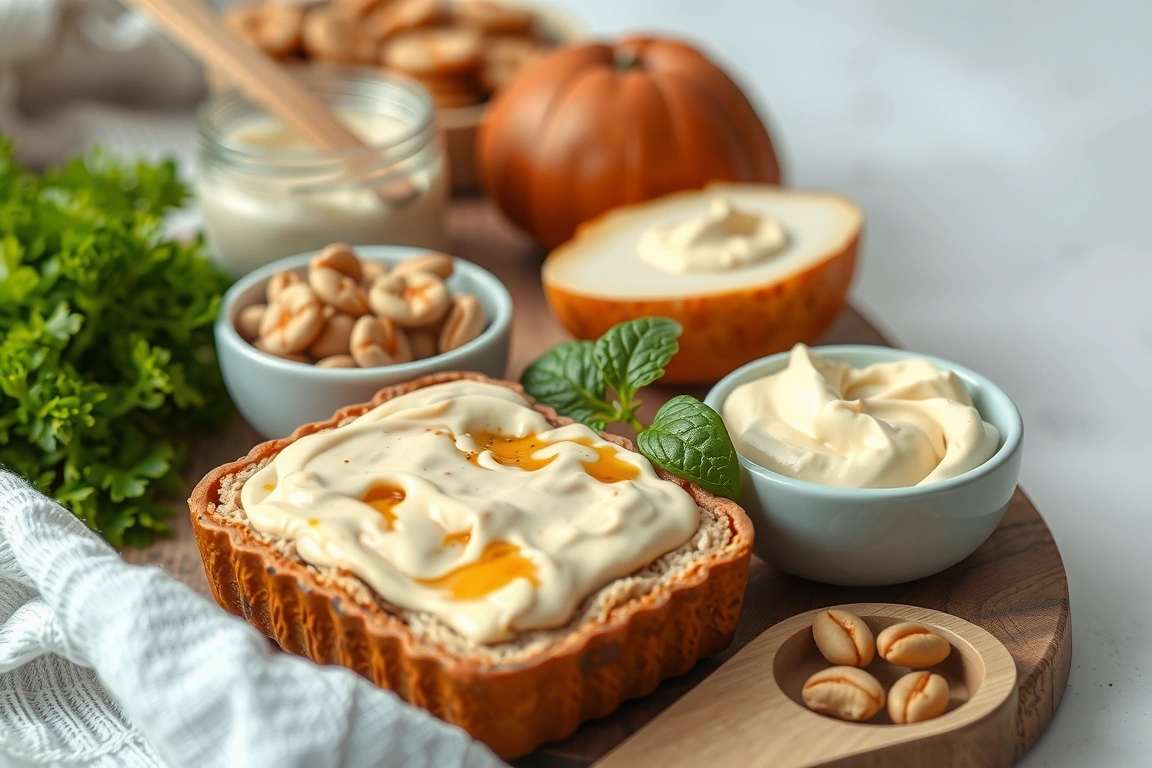
- Poached Eggs (167°F for 13 minutes): Crack an egg into a small ramekin or bag. Submerge it. After 13 minutes, you have a perfectly set white and a runny yolk every single time. It’s a revelation and takes all the stress out of poaching.
- Boneless Skinless Chicken Breast (145°F for 1.5 hours): Season, bag, and cook. The texture is unlike anything from an oven—moist, almost custard-like, and impossible to dry out. Pat dry and give it a quick 60-second sear in a hot pan for color.
- 72-Hour Chuck Roast (144°F for 72 hours): This is where sous vide shines. A cheap, tough cut of beef transforms into something as tender as prime rib. It’s a weekend project that requires zero active time and will absolutely convince you of the technique’s power.
I found the guided recipes in the Joule and Anova apps invaluable here. They provide precise times and temps and handle the timer for you. The Monoprice unit has no dedicated app, so you’re relying on external sources.
Energy Usage: Is Sous Vide an Electricity Hog?
The results were surprising. A typical 2-hour steak cook (heating 4 gallons of water from 70°F to 130°F and maintaining) used between 0.45 kWh (Joule) and 0.55 kWh (Strata). At the U.S. average of $0.15 per kWh, that’s about 7 to 8 cents per cook. The real energy draw happens during the initial heat-up. Once at temperature, the circulator only cycles on briefly to maintain it, using very little power. Compare this to running a full-size oven at 450°F for searing, which can draw 2-5 kWh per hour. For long cooks, the efficiency is even more pronounced. My 24-hour pork shoulder used 2.1 kWh total, costing roughly 32 cents. Running an oven or slow cooker for that long would cost multiples more. Sous vide is, counterintuitively, one of the most energy-efficient cooking methods in your kitchen.
Sous vide is, counterintuitively, one of the most energy-efficient cooking methods in your kitchen.
Sous Vide vs. Traditional Methods: What Actually Changes?
This isn’t just a different tool; it’s a different philosophy. Traditional cooking applies high, direct heat from the outside in, creating a gradient from well-done at the edges to rare in the center. Sous vide applies gentle, even heat from all sides, eliminating that gradient. The practical difference is margin of error. With a steak in a pan, you have a 2-3 minute window between perfect and overdone. With sous vide, that window stretches to 30 minutes or even hours for thicker cuts. It decouples the cooking time from the finishing time, which is a game-changer for dinner parties. The downside? You must still sear. Sous vide provides perfect doneness but not the Maillard reaction (that beautiful brown crust). A 60-90 second sear in a ripping hot pan or with a torch is non-negotiable for most meats. It’s a two-step process, but each step is simple and nearly foolproof.
Head-to-Head: Top 3 Entry-Level Immersion Circulators Compared
Based on 30 days of testing, here’s how the leading beginner contenders stack up.
Anova Precision Cooker Nano (~$129)
This is my top recommendation for most first-time buyers. It strikes the best balance. It has physical buttons and a display, so you can operate it without your phone, though the app offers great guided recipes. Its 800-watt heater is adequate, and its clamp is sturdy. At 15.7 inches tall, it’s the tallest of the three, so check your pot-and-cabinet clearance. The noise level is moderate. Where it shines is in its no-fuss reliability and the flexibility of app or manual control. It feels like a tool, not a gadget.
Joule by ChefSteps (~$199)
The Joule is the sleek, app-only powerhouse. Its 1100-watt heater is the fastest, and its magnetic foot and tiny size (11.8″ tall) make storage a breeze. The app is the best in the business, with stunning photography and flawless performance. However, the total reliance on your smartphone is a legitimate drawback. If your phone dies or the app has an issue, you can’t change the temperature. It’s for the tech-confident beginner who wants the simplest, most guided experience and doesn’t mind the premium price.
Monoprice Strata (~$79)
The budget option. It gets the job done, especially for shorter, lower-temperature cooks. It has a basic display and controls. The trade-offs are significant: slower heating, louder pump, less stable temperature over long periods, and no dedicated app for guidance. The build quality feels a step down. It’s a valid choice if your budget is absolutely fixed and you want to dip a toe in the water, but be prepared for its limitations. You may outgrow it quickly.
Who Should Buy Which Sous Vide Cooker First?
Your choice depends entirely on your personality in the kitchen.
Buy the Anova Precision Cooker Nano if: You value having a manual backup. You have a mix of tech-savviness and old-school pragmatism. You want a reliable workhorse that won’t leave you stranded if your tablet battery dies. It’s the best all-rounder and the safest first bet.
Buy the Joule if: You live on your phone and love beautifully designed tech. You want the simplest possible experience with the best recipe guidance. You don’t mind paying more for superior speed and a smaller footprint. You’re confident in your home Wi-Fi and Bluetooth setup.
Consider the Monoprice Strata if: Your budget is the primary constraint and you’re philosophically opposed to spending over $100 on a new kitchen gadget. Start here, but know that a better experience exists for not much more money.
After a month of near-daily use, my immersion circulator has earned a permanent spot on my kitchen shelf. It hasn’t replaced my oven or my stove, but it has taken over the most stressful part of cooking: hitting the exact doneness on proteins. For a beginner, the learning curve is almost non-existent. You set a temperature, wait, and sear. The technology delivers exactly what it promises. My advice is to skip the ultra-budget models and invest in a mid-tier device like the Anova Nano. The slightly higher upfront cost buys you temperature stability, durability, and peace of mind—the very reasons you’re getting into sous vide in the first place. Grab a large stockpot or a cheap plastic container, a pack of gallon-sized freezer bags, and dive into that first perfect steak. You won’t look back.
Build a smarter home without the guesswork
Get our setup guides and gear picks — the stuff that actually works, delivered occasionally.
Frequently Asked Questions
Do I need a vacuum sealer to start with sous vide?
No, and I recommend you don’t buy one initially. The water displacement method works perfectly for 95% of beginner cooks. Simply place your food in a sturdy zip-top freezer bag (like Ziploc Freezer bags), slowly lower it into the water bath, and let the pressure of the water push the air out before sealing the final corner. I’ve used this method for everything from steaks to carrots without issue. A vacuum sealer is convenient for long-term meal prep or for cooking with lots of liquid marinades, but it’s not a required entry cost.
What kind of container do I need for the water bath?
Any large pot you already own works fine. For more flexibility, I highly recommend picking up a 12-quart polycarbonate container from a restaurant supply store or online (like a Cambro). They’re clear, lightweight, insulating, and often come with a lid. You can cut a hole in the lid for the circulator to minimize evaporation on long cooks.
Is it safe to cook food in plastic bags for hours?
This is a common concern. You should use bags labeled as “food-safe” and “BPA-free.” Look for bags made from polyethylene (like most standard zip-top freezer bags) or specifically designed for sous vide (like those from FoodSaver). These plastics are stable at the temperatures used in sous vide (typically under 200°F). Avoid using thin, generic sandwich bags or bags not intended for cooking. I’ve personally used name-brand Ziploc Freezer bags for hundreds of hours of cooking without any observed issues or off-tastes.
